Pluang Crypto Wallet
Pluang is a multi-asset investment platform offering stocks, crypto, gold, mutual funds, and ETFs, and I led the design of its custodial crypto wallet, unlocking a core DeFi capability by enabling users to seamlessly send and receive assets on-chain, which was previously not possible on the platform.
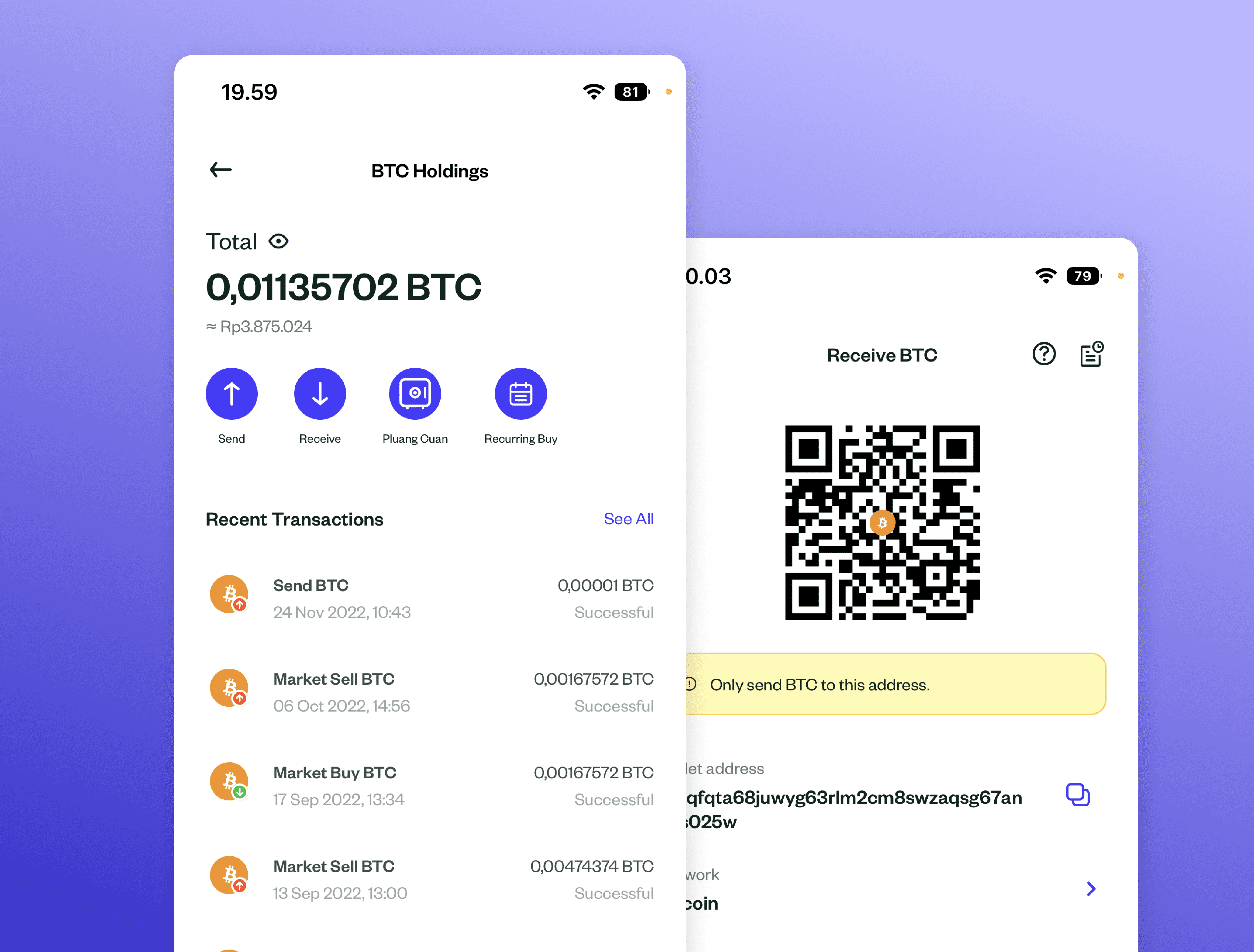
Target Users
Beginner users: Users with low to no investing experience
Non web3 natives: Users who are generallty familiar with crypto but are not adept at using crypto products
The Problem
Large beginner user-base
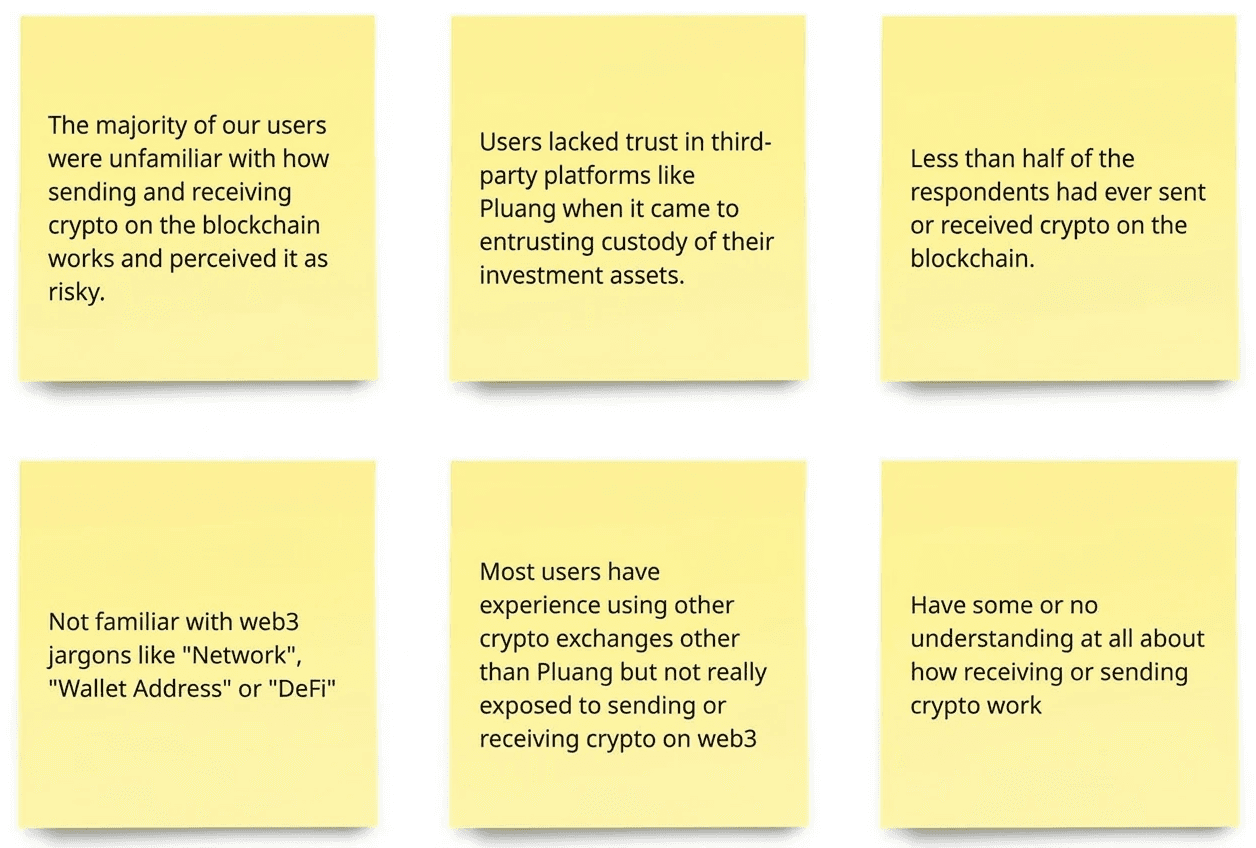
Pluang’s user base is largely inexperienced, with 52% new to investing and over 70% entering crypto for the first time, creating a critical challenge: how to protect users from scams and mis-transfers while educating them on safeguarding their assets.
High level of skepticism
At the same time, skepticism remained high, as users needed strong assurance that their funds would be secure when transferring crypto into Pluang’s wallet.
Preliminary User Research
We conducted a survey to understand users’ familiarity with crypto wallets, their behaviors, and pain points. Distributed to 1,000+ Pluang crypto investors, the study gathered 150+ responses via Typeform, with a $7 incentive offered to early participants.
Key areas explored:
Risk appetite
Experience sending crypto via Web3 wallets
Experience receiving crypto on-chain
Investment experience in cryptocurrency
Architecture
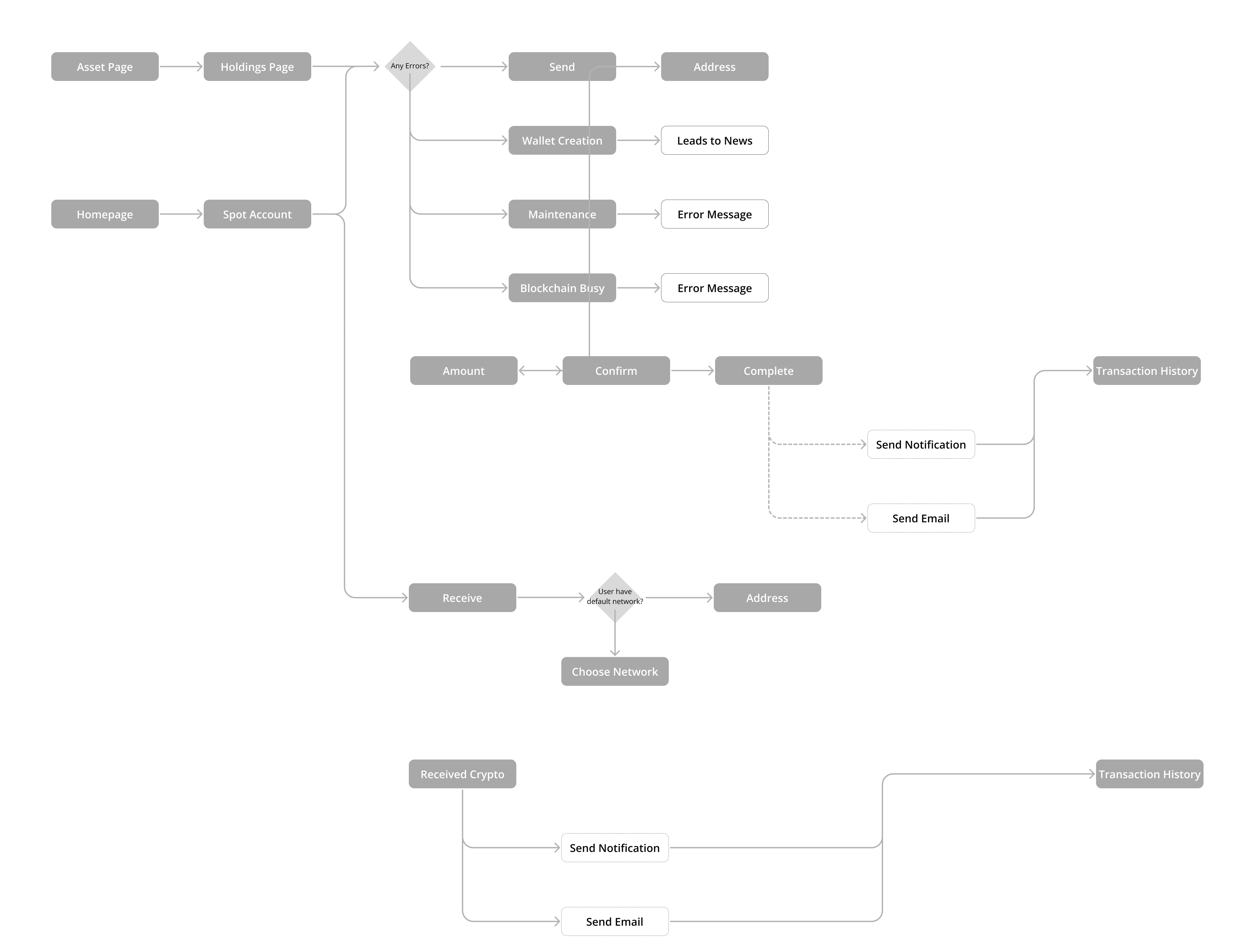
We mapped entry points across the app to make send and receive easily accessible from both the homepage and asset pages, introducing a key requirement for users to select an asset before entering the flow and necessitating an intermediary step.
Wireframing
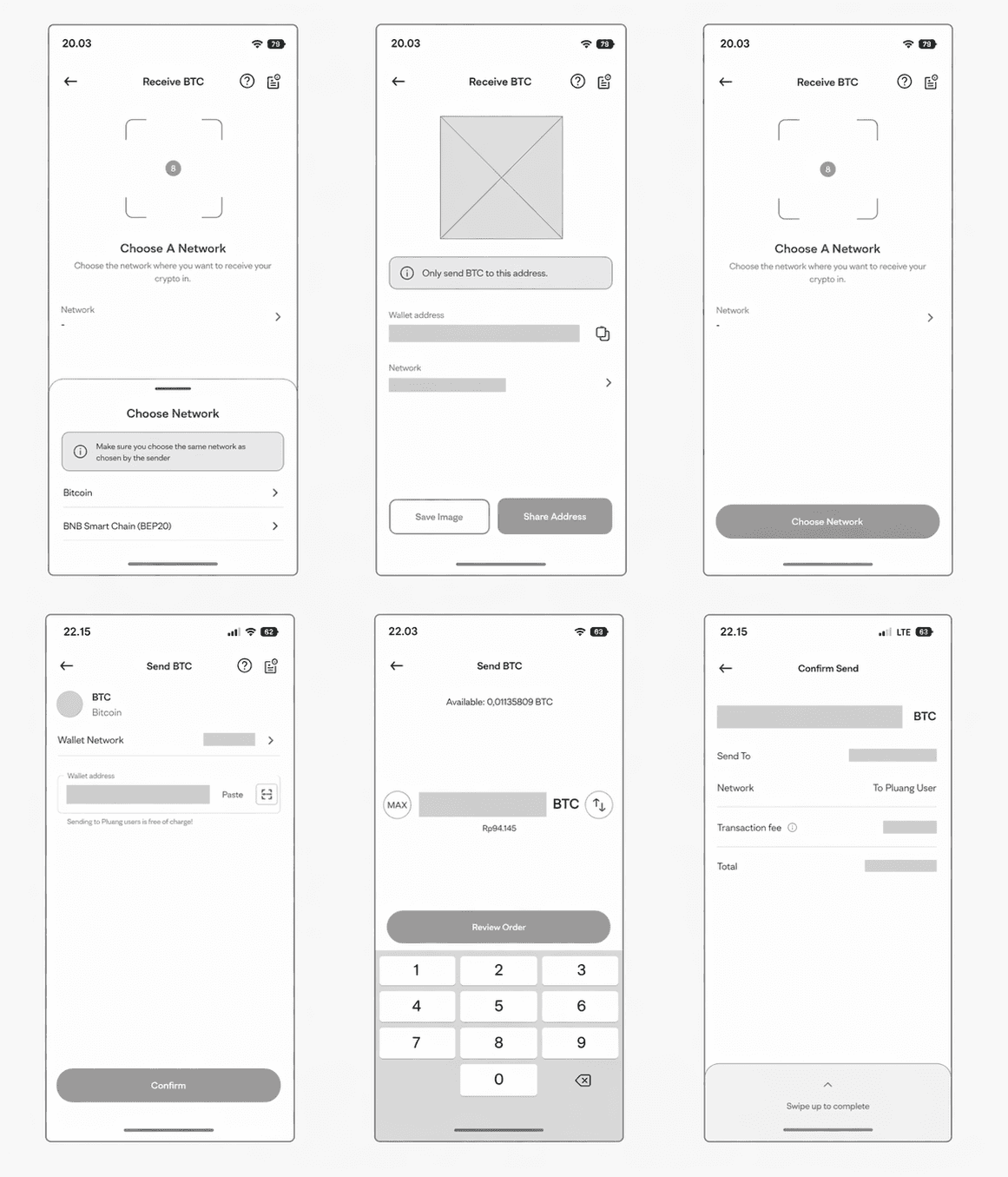
I developed low-fidelity wireframes to validate feasibility and surface technical constraints early with the VP of Crypto and Product Manager, before moving into high-fidelity design. Key screens are shown below.
High-Fidelity Designs
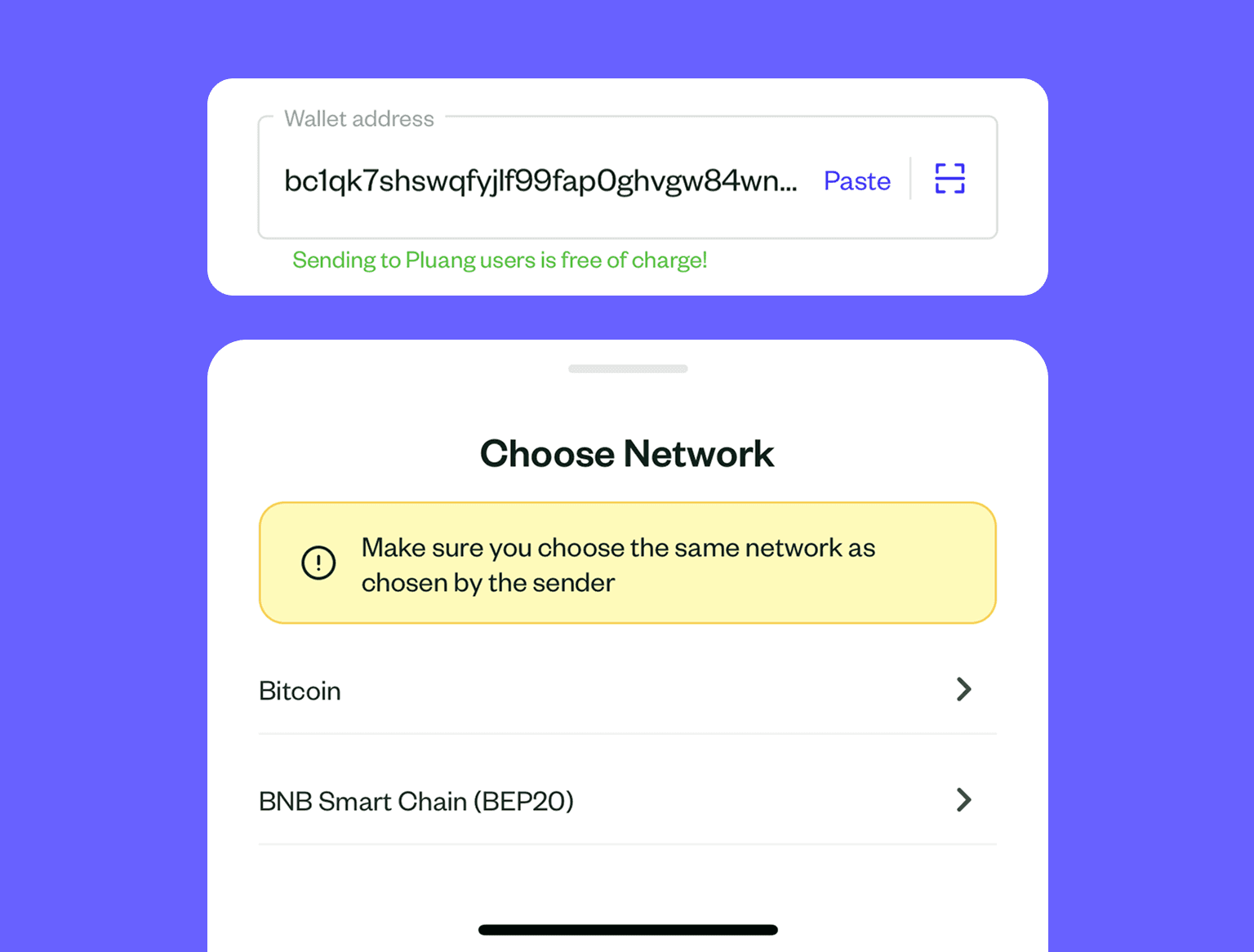
The final designs integrate technical constraints and stakeholder feedback, refining structure and interactions while prioritizing simplicity through safeguards like warnings and address verification to prevent accidental transfers for beginner users.
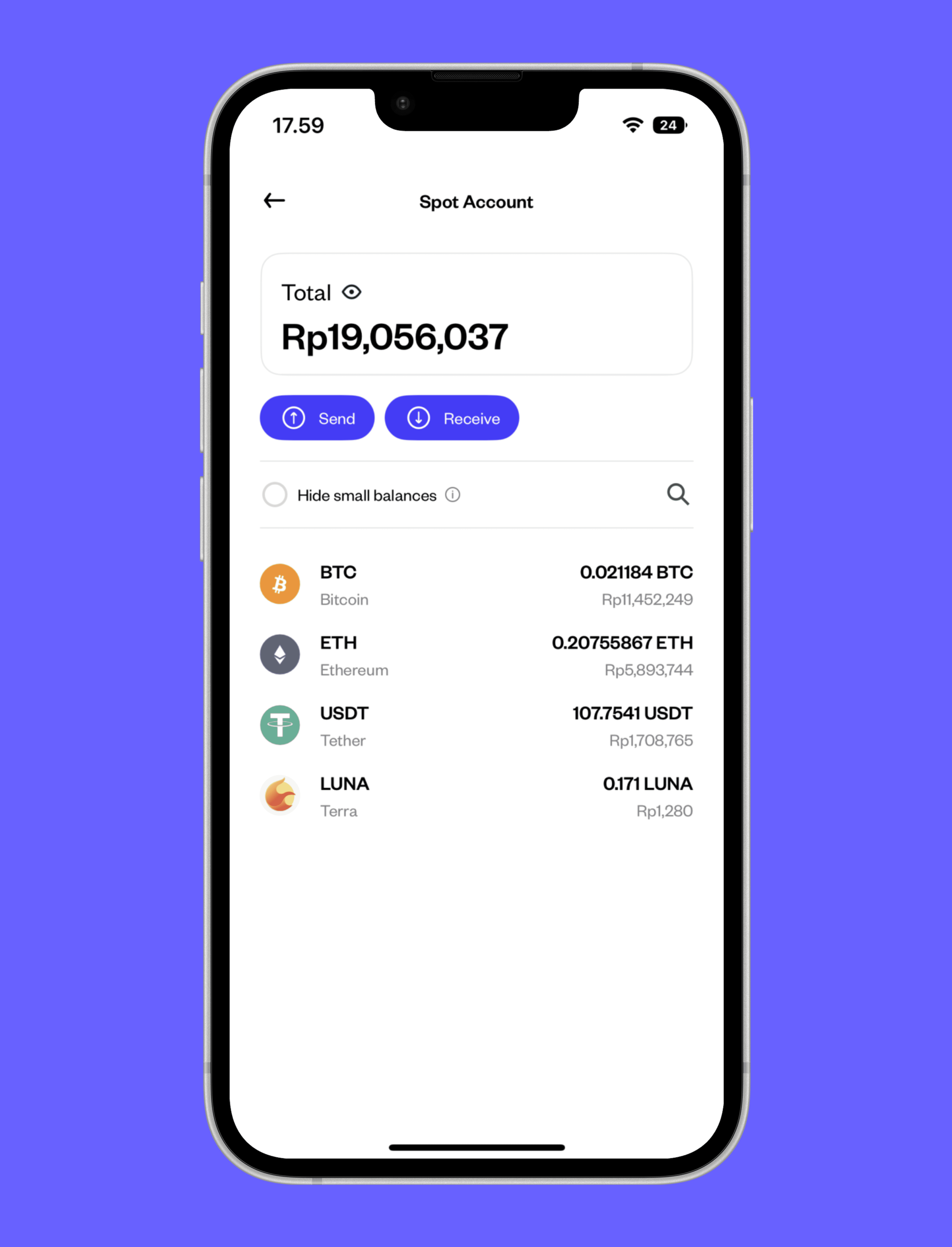
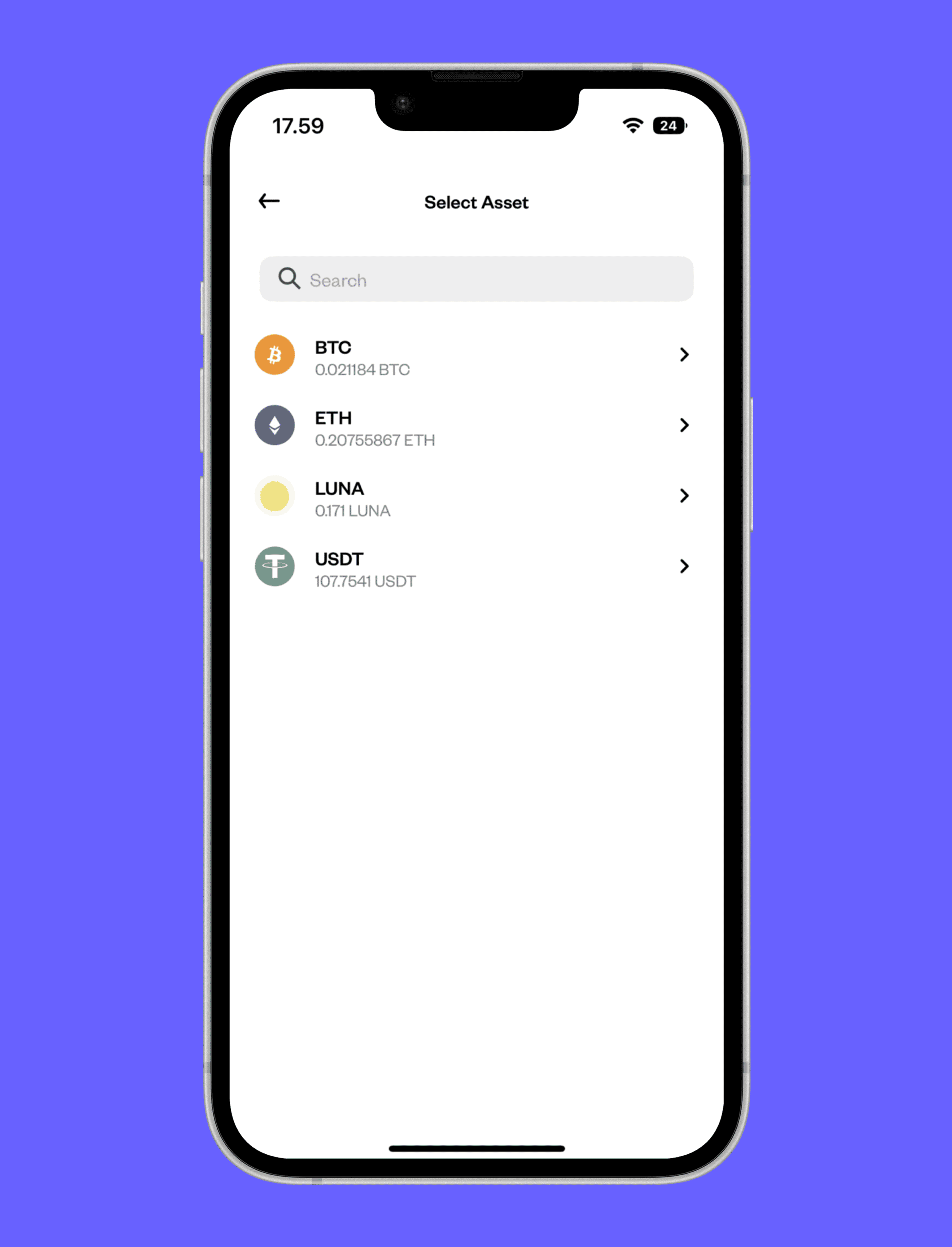
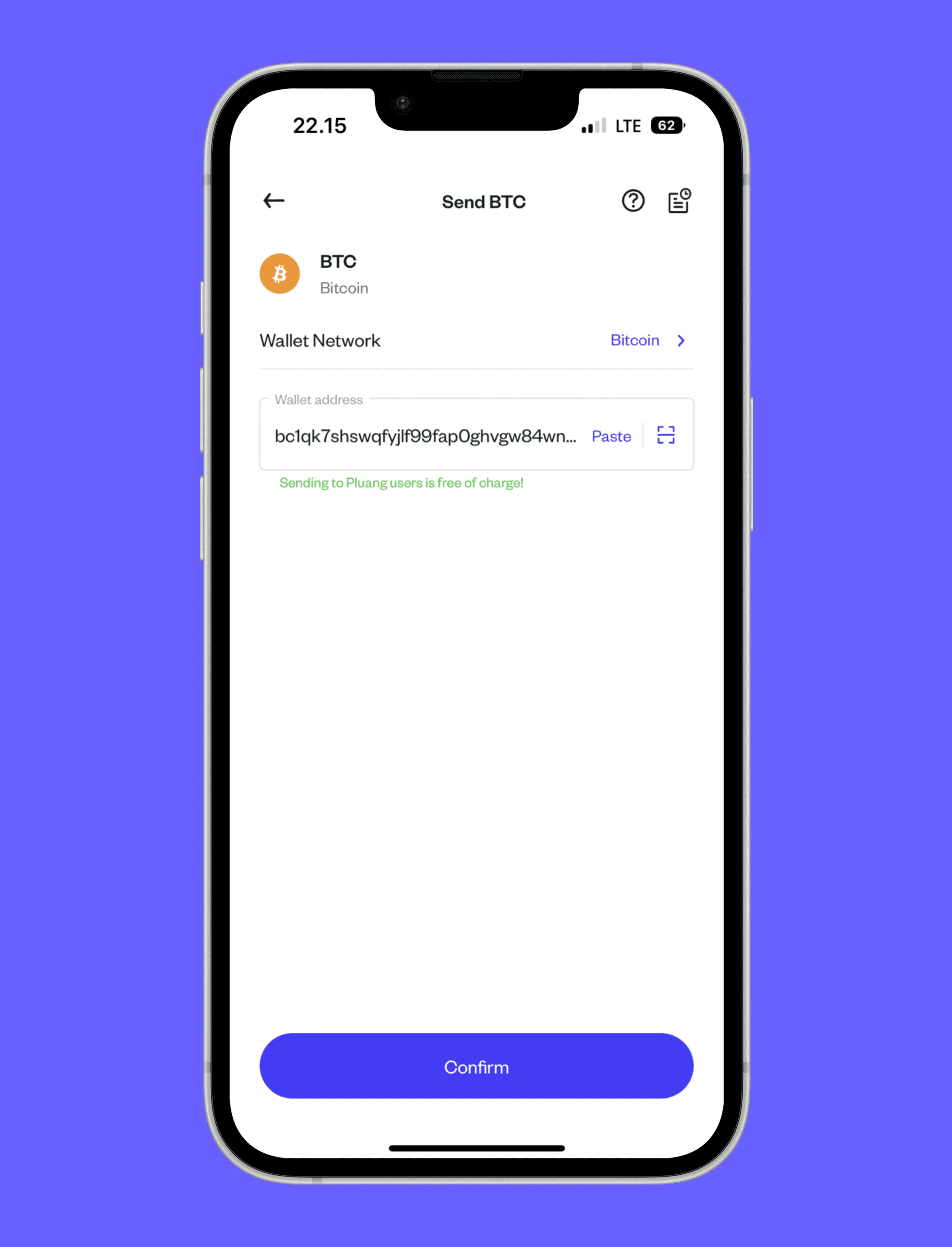
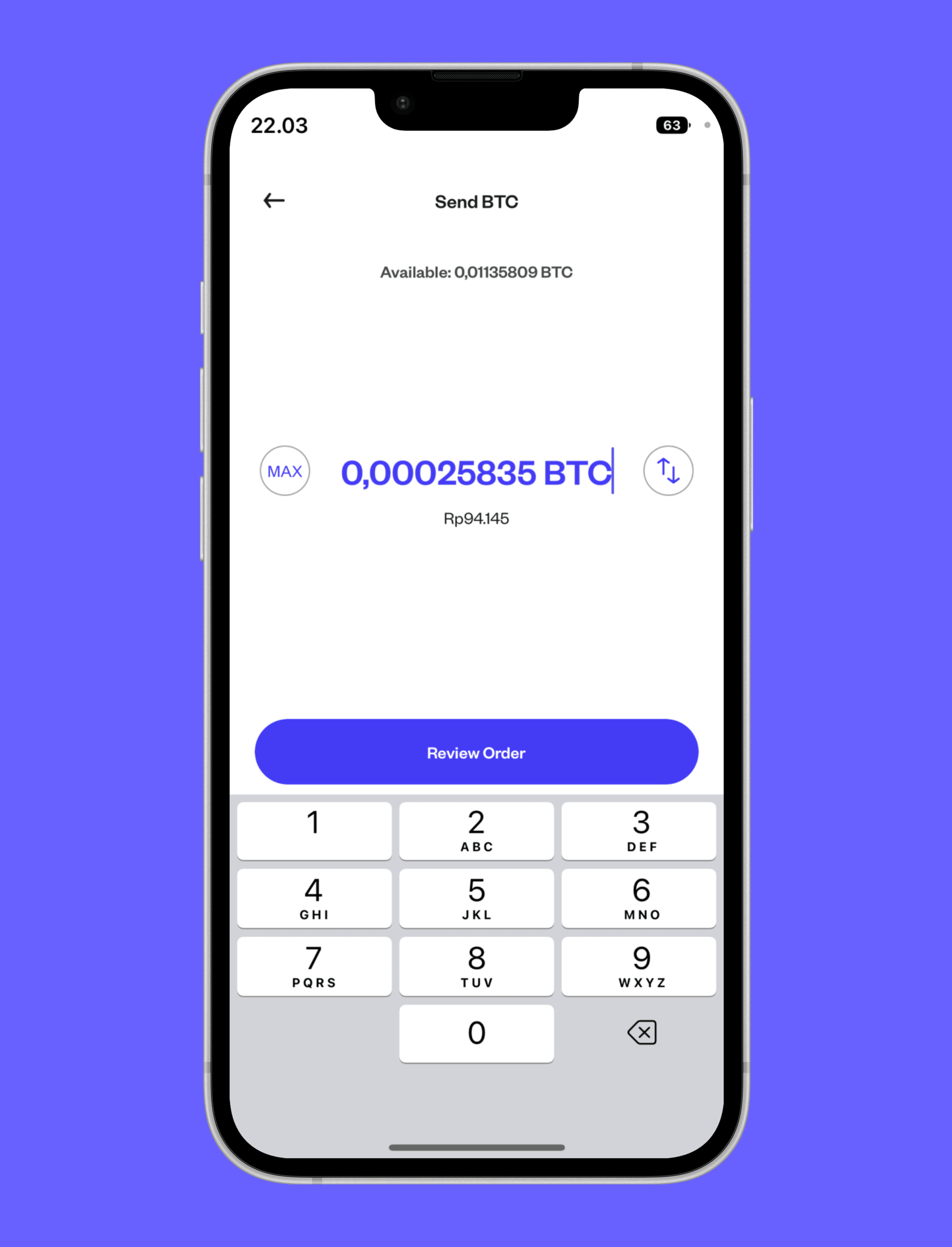
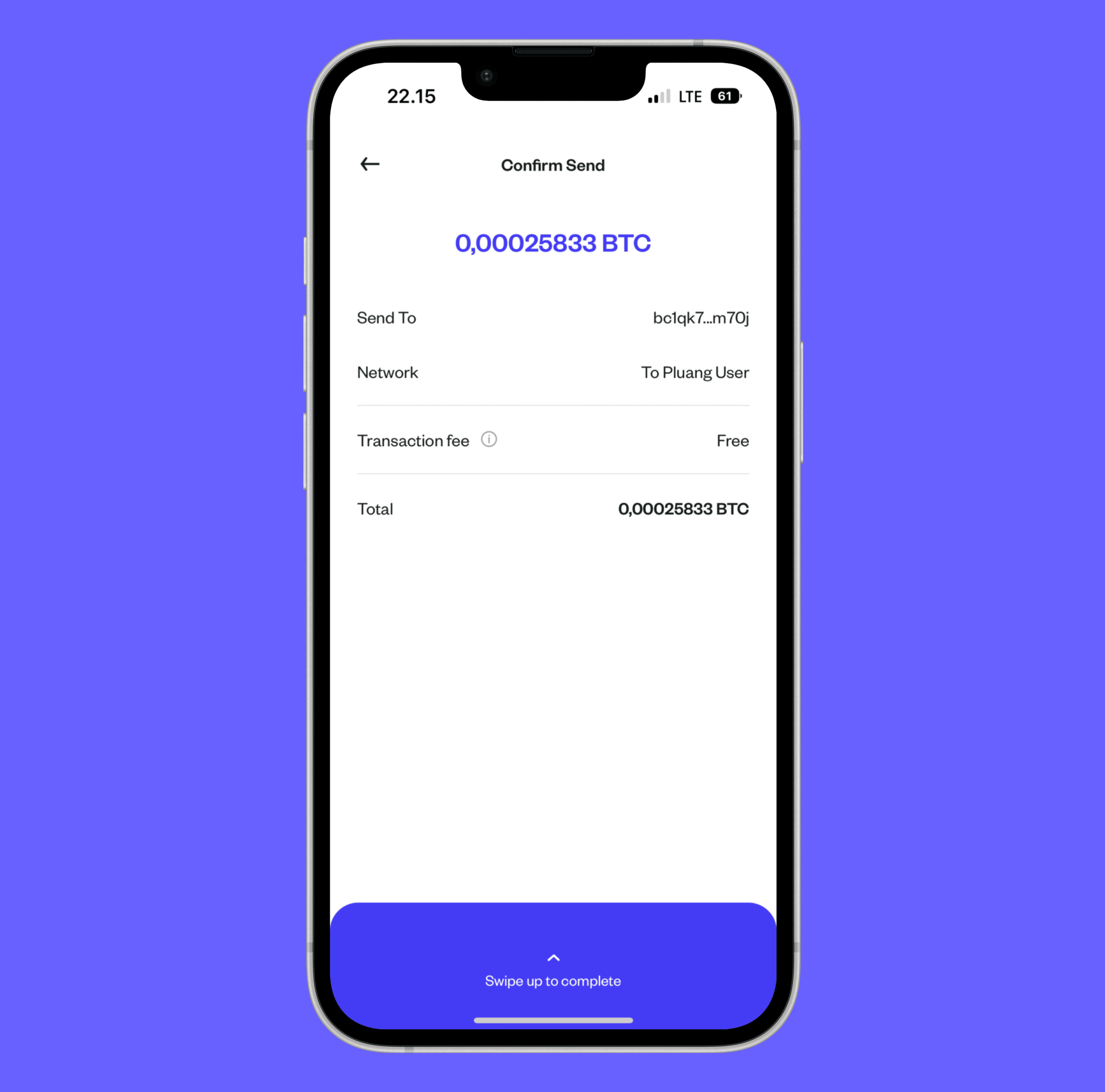
Tailored For Beginners
The experience was designed to guide users throughout the process, particularly as most are new to blockchain interactions. Key elements include:
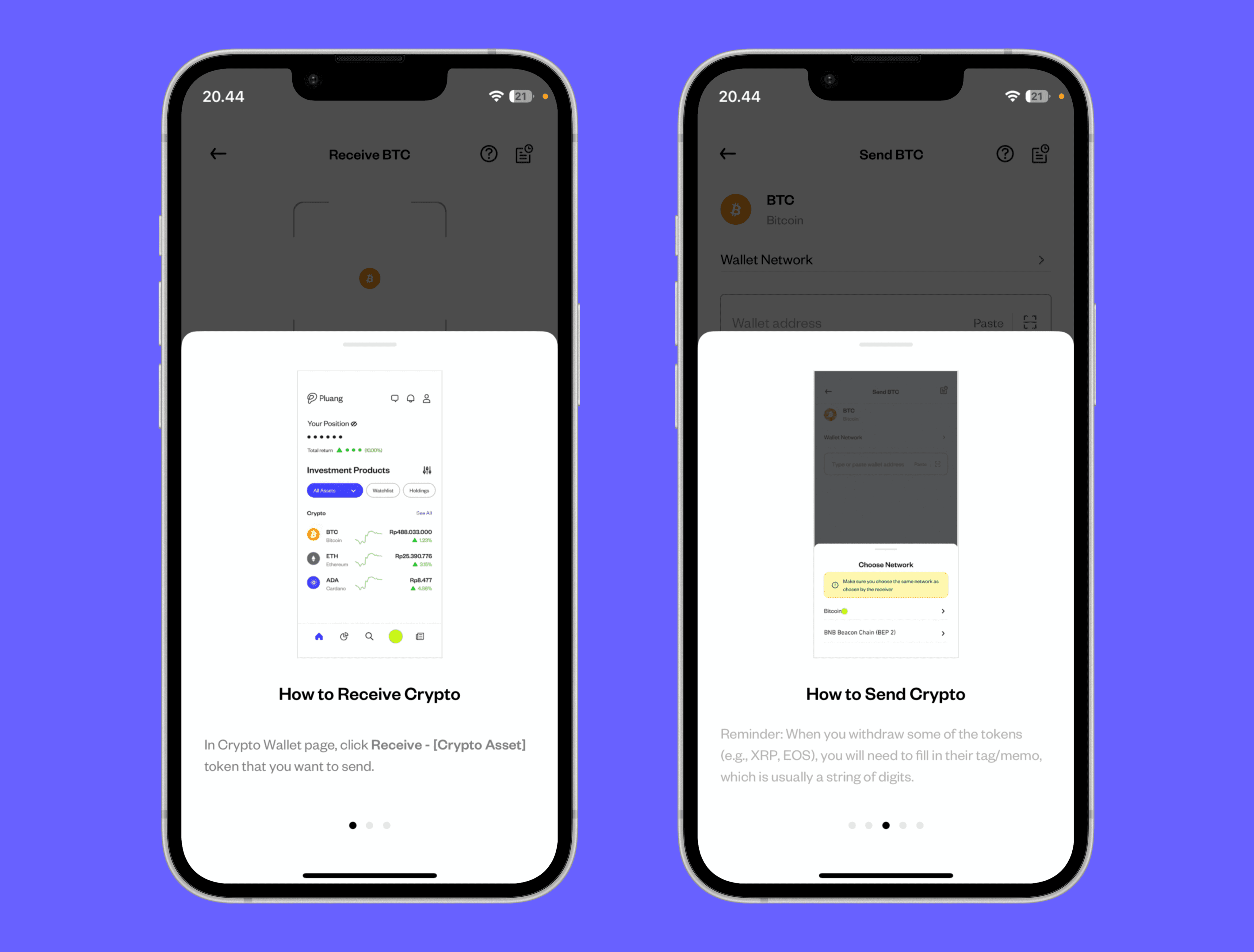
Sending Crypto – An in-flow tutorial, accessible via the help icon, provides step-by-step guidance when needed.
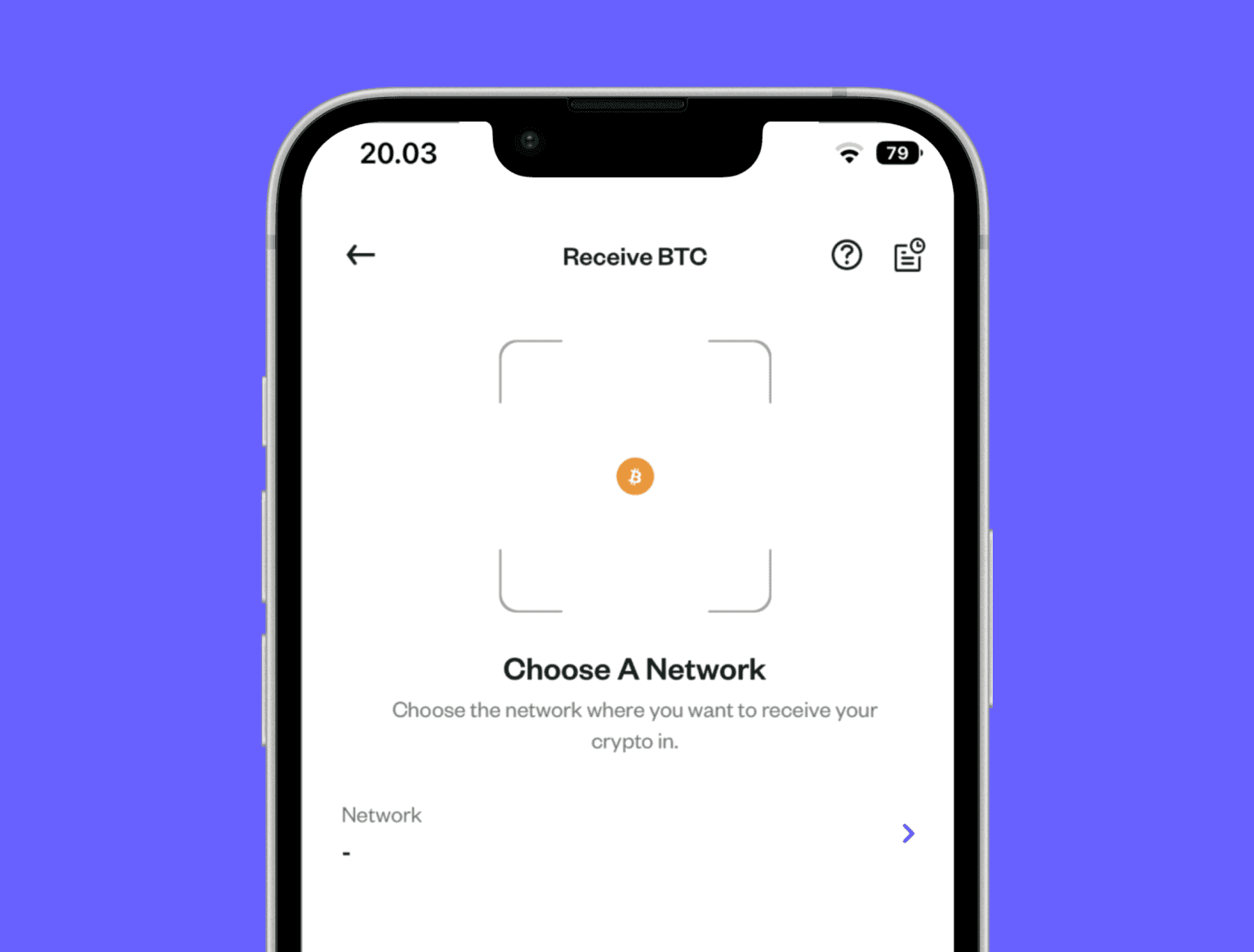
Network Selection – Contextual warnings highlight the risks of selecting the wrong network.
Through user testing, we found that coachmarks and mandatory tutorials were ineffective in educating users, as many simply skipped or spammed the 'continue' button. Instead, we integrated helpful information directly into the send and receive flow, which users can access anytime by tapping the question mark icon in the top right.
What's Next & Takeaways
We iterated on the prototype through multiple rounds of user testing with survey participants via Maze before development. Following launch, the feature contributed to an increase in AUM per capita, driven by incoming crypto transfers.
The project demanded continuous validation of user understanding around blockchain risks, strengthening the team’s ability to rapidly test, validate assumptions, and refine the experience.